Fence line clearing removes encroaching trees, brush, and overgrowth from along property boundaries and fence corridors. Redhawk Land Services keeps fence lines accessible, intact, and easy to maintain for Houston-area homeowners, ranchers, and agricultural landowners across Southeast Texas.
A fence is only worth what it protects — and a fence line swallowed by brush does a poor job of either. Trees pushing into wire, vines pulling down posts, and Yaupon thickets making inspection impossible are maintenance problems that get more expensive the longer they go unaddressed. Clearing your fence line is one of the most cost-effective investments you can make in your property’s infrastructure.
Fence line vegetation is more damaging than it looks from a distance. Up close, the picture is usually much worse — trees growing through the wire, saplings lifting fence boards, root systems undermining post stability, and the kind of visibility-blocking overgrowth that makes it impossible to identify damage, trespassers, or livestock escape points without physically pushing through the brush.
What does fence line clearing involve? Fence line clearing is the process of removing trees, brush, and overgrowth within a defined corridor along a fence — typically 8–15 feet on the property-side of the line — to restore visibility, protect fence integrity, and make ongoing maintenance practical.
In Southeast Texas, the fastest-spreading fence-line invaders are Yaupon holly, Greenbrier, Wild Rose, and volunteer trees like Tallow and Hackberry. These species establish themselves along fence lines where mowing is impractical and grow fast enough to cause real structural damage within just a few seasons.
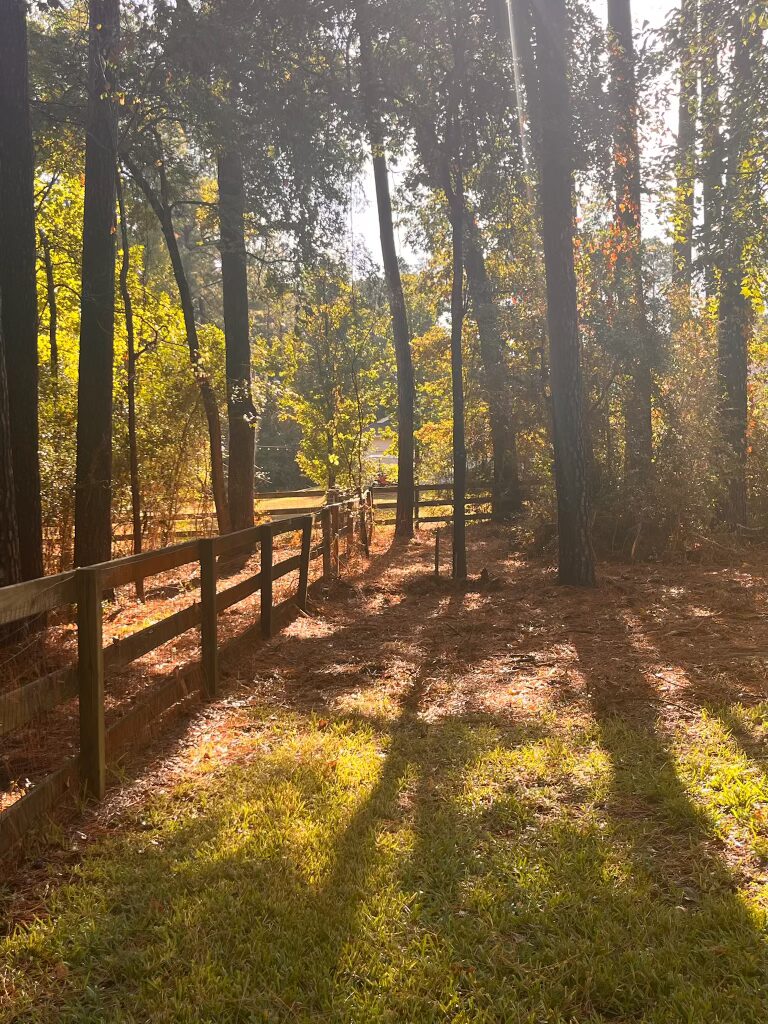
Redhawk approaches fence line clearing with precision. The goal is to open the corridor and protect the fence — not to create a wide swath of bare ground or disturb more than necessary.
For fence lines with heavier brush and volunteer trees, Redhawk’s forestry mulching equipment grinds vegetation cleanly alongside the fence without dragging, pulling, or creating debris piles that then need to be burned or hauled. The mulch layer left behind is far preferable to bare soil, which invites new weed growth immediately.
For lighter maintenance clearing — keeping a fence line that was previously cleared from becoming overgrown again — brush cutting is a fast, cost-effective option. Redhawk can recommend the right approach based on current conditions during the free site visit.
An experienced operator knows how to work close to a fence line without catching wire in the equipment or creating post damage. Redhawk’s crew is trained to identify buried wire, check post conditions, and flag any existing damage before work begins — so you know what you’re dealing with before and after the job.
Redhawk walks your full fence line before any equipment is mobilized. We assess species and density of growth, identify existing fence damage — bent posts, broken wire, compromised staples — and flag any hazards. You know the condition of your fence before and after the job.
Based on vegetation density, terrain, and your maintenance goals, Redhawk recommends a corridor width — typically 8–15 feet on the property side of the fence. Properties with heavily wooded adjacent land benefit from a wider corridor that slows re-encroachment. Width is confirmed with you before cutting begins.
For fence lines with heavier brush and volunteer trees, Redhawk’s forestry mulching equipment grinds vegetation cleanly alongside the fence without dragging, pulling, or creating debris piles. The mulch layer left behind suppresses immediate weed regrowth — far preferable to bare soil. For lighter maintenance on a previously cleared fence row, brush cutting is fast and cost-effective.
At job completion, Redhawk walks the cleared fence line with you and identifies any infrastructure that needs attention — wire re-stapling, post replacement, or tension issues where tree removal occurred. We flag everything so you know exactly what to address with a fencing contractor afterward.
Fence lines rarely exist in isolation from the rest of a property’s land management challenges. The same brush that’s taking over your fence line is often also invading adjacent pasture — making fence line clearing and pasture reclamation a natural pairing on ranch and farm properties.
Properties where access roads run along or near fence lines also benefit from combining this work with trail and access road clearing, which can be done efficiently in a single mobilization. And if the goal is to open up the property more broadly while preserving desirable trees along the boundary, selective land clearing can extend the scope of the project beyond just the fence corridor.
Redhawk’s free site visit is the right place to think through how these services fit together for your property. There’s no obligation, and you’ll leave with a clear plan and a firm price.
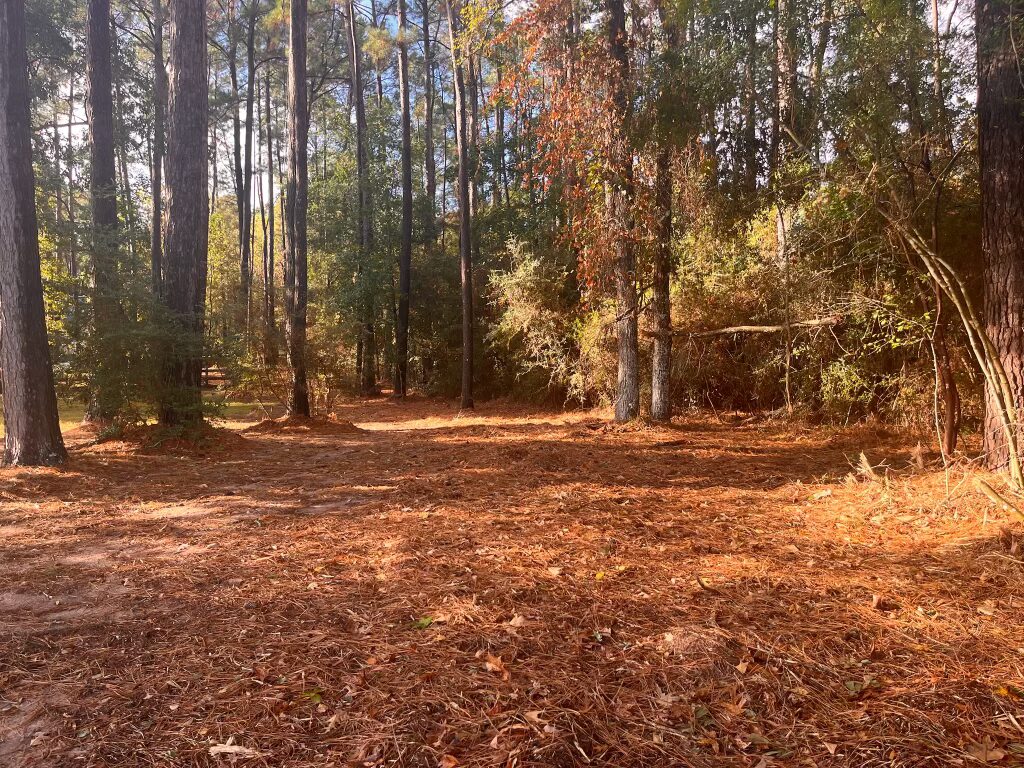
Redhawk Land Services clears fence lines on ranches, farms, and large residential lots throughout the greater Houston area. Our crews work in Harris, Fort Bend, Waller, Brazoria, Galveston, Montgomery, Grimes, Walker, Austin, and Wharton counties.
Communities we regularly serve include Katy, Rosenberg, Pearland, Conroe, Montgomery, Wharton, Angleton, Lake Jackson, Huntsville, and Bastrop. According to Texas A&M AgriLife Extension, proactive vegetation management along fence rows is one of the most cost-effective property maintenance strategies for Texas landowners. Learn more about our crew, or see all of our land services.
The short answer: anyone with a fence that hasn’t been cleared in the last few years. In Southeast Texas growing conditions, that’s a meaningful amount of time. Rural residential homeowners on acreage properties often have fence lines along roads or neighboring properties that have been neglected. Ranch and farm operators managing hundreds of acres of perimeter fencing face ongoing maintenance battles with fast-growing brush. Landowners preparing property for sale, lease, or transfer need clean, visible, well-maintained fence lines that show buyers and appraisers that the property has been cared for.
Redhawk serves Houston and the surrounding region — Huntsville, Bastrop, Rosenberg, Lake Jackson, and nearby communities. Contact us for a free on-site estimate and we’ll walk your fence line with you to put together a clear plan.
Real feedback from property owners, contractors, and developers who trust us for reliable land clearing solutions. Their experiences reflect our commitment to quality workmanship, clear communication, and dependable results.
“I was initially nervous about clearing my land. I love a well-kept property, but I also value my privacy. Jack went above and beyond, walking the property with me several times to ensure he cleared exactly what I wanted while preserving the most beautiful trees.”
Trustindex verifies that the original source of the review is Google. My family has a couple of acres south of Rosenberg that needed clearing. A buddy recommended RedHawk, we couldn’t be happier with the outcome. Mr Cummings was very professional, on time, did an excellent job, but most importantly, fair priced, and in today’s economy, every dollar counts. I really appreciated the reliability that Mr Cummings provided us, we will definitely be using his services again.Trustindex verifies that the original source of the review is Google. Redhawk cleared some property of mine and did an outstanding job. They did more than i expected, gave me a very fair price, were there when they said they were going to be there. I have zero complaints with Redhawk and would 1000% recommend them to anyone needing property thinned out. Outstanding job Redhawk.Trustindex verifies that the original source of the review is Google. Jack came out to our property and recommended clearing our fence line. He gave us a great price and his team executed exactly what he promised. Will definitely use RedHawk again!Trustindex verifies that the original source of the review is Google. Extremely professional and great price. In just a day brought my property back to life.
Fence line clearing typically runs $1–$3 per linear foot in Southeast Texas for moderate brush density. A 500-foot fence line with moderate Yaupon and Hackberry growth might cost $600–$1,500 to clear. Heavily overgrown corridors with large volunteer trees run higher. Call 832-664-7538 for a free on-site estimate.
A cleared corridor of 8–12 feet on the property side of the fence is typically sufficient for visibility, maintenance access, and protection of fence infrastructure. Properties with heavily wooded adjacent land may benefit from a wider corridor to slow re-encroachment. Redhawk recommends corridor width based on the specific conditions at your fence line.
Not when done properly. Forestry mulching leaves a protective mulch layer that holds soil moisture and prevents the bare-ground conditions that lead to erosion. This is one reason Redhawk prefers mulching over bulldozing for fence line work, particularly on sloped or sandy soils.
Linear footage, vegetation density, and terrain all affect the pace. A well-established fence line with moderate brush might clear at 500–1,000 linear feet per day. Dense overgrowth with large volunteer trees will slow that pace. Redhawk provides a time estimate as part of the free on-site quote.
Yes. Redhawk’s operators are experienced working alongside fence infrastructure. The mulching head can clear to within a few feet of the fence line itself without contacting the wire or posts. Any existing fence damage is identified and flagged before work begins.
Redhawk’s core service is land clearing, not fence installation or repair. However, cleared fence lines are much easier for a fencing contractor to access and work on, and Redhawk can flag any damage observed during the clearing process so you know exactly what to address afterward.
Fence line clearing protects your fencing investment and simplifies property management. Contact Redhawk Land Services LLC to schedule fence line clearing services.
